
Ireland is a small country with an outsized reputation for education. Its universities are well ranked, teaching is in English, and the country is home to the European headquarters of many global technology and pharmaceutical companies, which creates real internship and graduate opportunities. The graduate permission of up to two years after a masters degree makes Ireland an increasingly popular alternative to the United Kingdom for students who want an English speaking environment with a clear post study route.
This guide explains how the Irish system works, when to apply, what documents you need, what the degree will cost, how the student visa works and what work is allowed during and after your studies. Ranges given here reflect November 2026 and change often, so check official university and embassy pages before you apply.
How the Irish University System Works
Irish bachelor degrees usually take three to four years, with four year honours degrees the most common, and masters degrees take one to two years depending on the field. Teaching combines lectures, tutorials, laboratory work and, in many programmes, a work placement or project with industry. Assessment uses exams, coursework and a final dissertation or project, and the academic year runs from September to May, with examinations at the end of each semester.
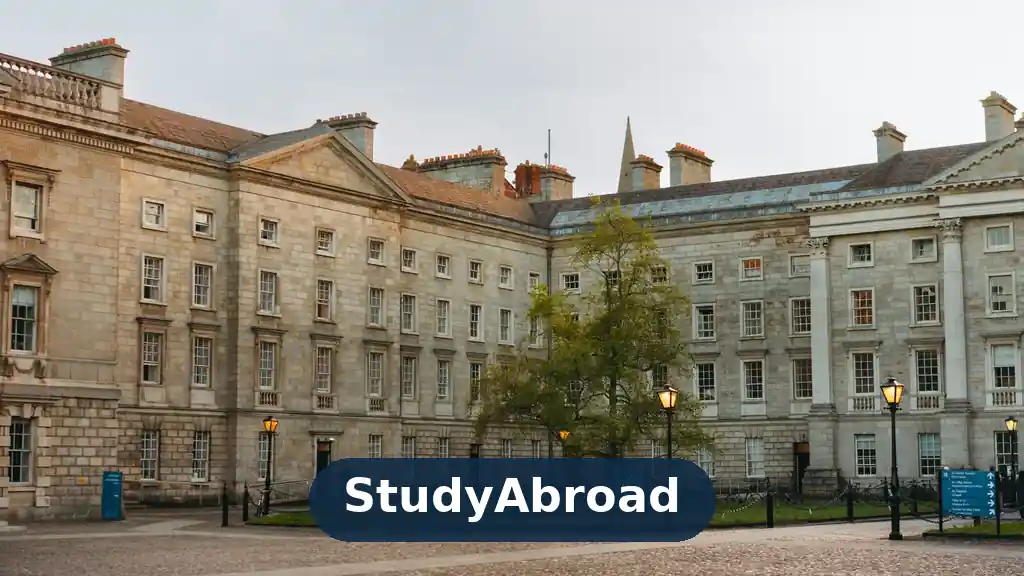
Ireland has seven public universities, including Trinity College Dublin and University College Dublin, alongside technological universities and private colleges. The system is regulated nationally, and the quality of teaching and research is consistently high for a country of its size. Choose by subject strength, placement opportunities and links with employers, because the small size of the country means industry connections are close and practical.
Irish Intakes and Application Deadlines
The main intake in Ireland is September, when almost every programme starts, and a smaller January intake exists for some postgraduate courses. Undergraduate applications from international students usually go directly to each university, while Irish and European students use the Central Applications Office, known as the CAO. Deadlines for September entry commonly fall between December and March for international applicants, though competitive programmes can close earlier, so a realistic plan starts 12 months before the intended start date.
Postgraduate applications go directly to each university, and deadlines vary, though popular courses can fill months before the start date. You will need an offer letter before you can apply for a visa, and the visa process itself needs several weeks, so leave a comfortable gap between the offer and the course start. Our guide to study abroad intakes explains the calendar, and the study abroad timeline and application calendar helps you map each step.
Tests and Documents for Irish Applications
Most Irish universities ask for an English language test such as IELTS or TOEFL, with typical undergraduate requirements around an overall IELTS score of 6.0 to 6.5, and higher scores for medicine, law and teaching. Some universities accept other tests or waive the requirement for students who studied in English, but check the rule for your course rather than assuming a waiver applies. Our guide on IELTS, TOEFL, GRE and SAT explains which test fits your situation, and the IELTS preparation guide helps you reach your target score.
The core documents are academic transcripts, a statement of purpose, letters of recommendation and a CV for postgraduate applicants. Irish universities look for a clear connection between your past study and the course you are applying for, and the visa officer will read the same story, so keep the narrative consistent. Read how to write a statement of purpose that works, the guide on letters of recommendation, and the university application documents checklist before you submit.
Tuition and Living Costs in Ireland
Tuition for international students in Ireland commonly ranges from about 10,000 to 25,000 euros a year for most undergraduate and masters programmes, with higher fees for medicine, dentistry and some business programmes, where fees can reach roughly 30,000 to 55,000 euros a year. European Union students pay much lower fees under a different system, so confirm that the figure you are reading applies to non European students before you budget.
Living costs are highest in Dublin, where a student should budget roughly 1,200 to 1,700 euros a month, while Cork, Galway, Limerick and smaller cities are usually cheaper at roughly 1,000 to 1,400 euros a month. Housing is the biggest cost and the hardest item to arrange, because demand in Dublin exceeds supply, so start the search early. Health insurance is compulsory for non European students and must be arranged before arrival. Ranges given here reflect November 2026 and change often, so check official university and embassy pages before you apply.
The Irish Student Visa Route
Students from outside the European Union usually need a student visa and, after arrival, must register with immigration and receive an Irish Residence Permit. The visa application asks for an acceptance letter, proof of funds, health insurance, academic documents and a valid passport, and it is submitted online with supporting documents sent to the embassy. Some nationalities are visa required and others are not, but all non European students must register after arrival and show they can support themselves.
Proof of funds is the most common reason for delay or refusal, so prepare it carefully and keep the figures consistent with your application. The visa officer looks for a genuine student with a clear study plan and credible finances, and vague answers about the course or the funding source cause problems. Our student visa application guide explains the documents, and the guide on how to show financial proof for a student visa covers the evidence officers look for. Apply as soon as the acceptance letter arrives and keep several weeks spare before the course starts.
Work Rights and the Third Level Graduate Programme
Students in Ireland on a Stamp 2 permission can usually work up to 20 hours a week during term and up to 40 hours a week during holidays, which are set in June, July, August and September and for a short period at Christmas. Part time work in hospitality, retail, campus roles and internships is common, and the earnings help with living costs, though they will not cover tuition. Check the conditions printed on your residence permit, because the rules depend on your enrolment status and your course.
After graduation, the Third Level Graduate Programme lets graduates stay in Ireland to look for work, usually for one year after a bachelor degree and up to two years after a masters or doctoral degree. During that period you can work full time, and if you find qualifying employment you can move onto a work permit. Read the guide on post study work visa options after graduation and the guide on work rules for international students by country, and start your job search in the final semester, because the graduate permission period passes quickly.
Living in Ireland as a Student
Student life in Ireland is friendly, social and built around the university and the town. Dublin is the largest city and the most expensive, with the widest choice of jobs and internships, while Cork and Galway offer a smaller, more affordable student experience with a strong cultural life. Most first year students live in university residences or purpose built student apartments, and shared houses are common later, though the housing market is tight and early searching matters.
The weather is mild but changeable, with frequent rain and short winter days, so a good rain jacket is essential. Public transport is reliable in Dublin and improving elsewhere, with student discounts on buses, trains and trams. Banking is straightforward, health insurance is compulsory, and the pre departure checklist covers banking, SIM cards, insurance and packing. Student societies, sports clubs and part time work are the fastest way to settle in, and the culture shock guide helps with the first difficult weeks.
Conclusion
Ireland suits students who want English speaking teaching, a friendly culture and a clear graduate permission of up to two years, with strong links to technology and pharmaceutical employers. The costs are significant and housing in Dublin is tight, but the combination of quality teaching, work rights and post study options is strong. Confirm every fee and deadline on official university and government pages, and start your application at least a year before the September intake.
What is Stamp 2 permission in Ireland?
Stamp 2 is the immigration permission given to non European students in Ireland. It allows you to study a full time course and work up to 20 hours a week during term and up to 40 hours a week during holidays. You receive it when you register with immigration after arrival.
How long can graduates stay in Ireland after their degree?
Under the Third Level Graduate Programme, graduates can usually stay for one year after a bachelor degree and up to two years after a masters or doctoral degree. During that time you can work full time while you look for qualifying employment.
Can international students work in Ireland while studying?
Yes, students on Stamp 2 can usually work up to 20 hours a week during term and up to 40 hours a week during holidays. Part time work in hospitality, retail and campus roles is common, and the earnings help with living costs.
Is health insurance compulsory for students in Ireland?
Yes, non European students must hold private health insurance for the full length of their stay in Ireland. The policy must meet the official requirements, and you will need proof of it for the visa application and for immigration registration after arrival.