

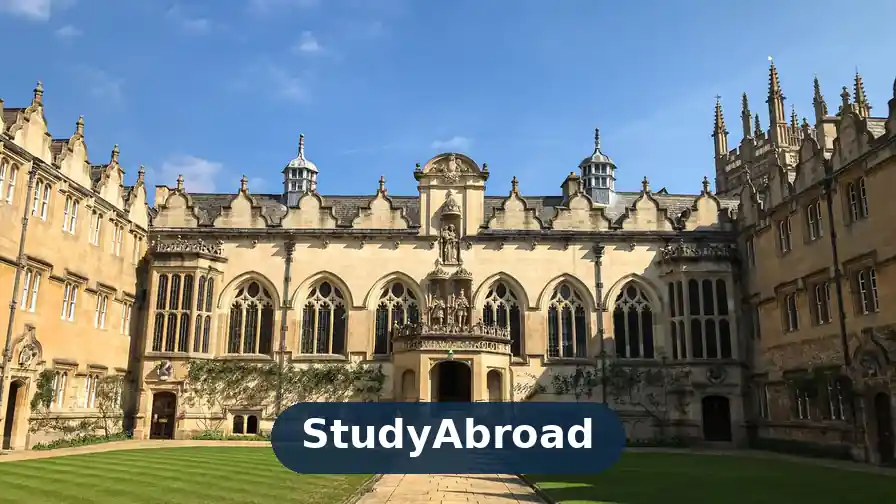
The United Kingdom is one of the most popular study destinations in the world, and its appeal is easy to understand. Undergraduate degrees usually take three years, most masters degrees take one year, and the country is home to some of the oldest and most respected universities anywhere. The Graduate route, which lets international graduates stay and work for two years, has made the United Kingdom an even stronger choice in recent years.
This guide explains how the British system works, how to apply through UCAS, when the intakes fall, what the degree will cost, how the Student visa works and what work is allowed during and after your studies. Ranges given here reflect November 2026 and change often, so check official university and embassy pages before you apply.
How the UK University System Works
British degrees are focused and specialised. Unlike the American system, a UK undergraduate usually applies for a single subject and studies it from the first year, with little room to change direction later. That focus suits students who already know what they want to study, and it is one reason a bachelor degree can be finished in three years in England, Wales and Northern Ireland, or four years in Scotland. Masters degrees are usually one year of full time study, which saves a year of tuition and living costs compared with many other countries.
Universities range from ancient institutions such as Oxford and Cambridge to large civic research universities and modern universities with strong professional links. Teaching combines lectures, seminars, tutorials and independent study, and assessment often rests on essays, exams and a final dissertation. The quality system is regulated nationally, and the Teaching Excellence Framework and the Research Excellence Framework give a public view of how universities perform. Choose by subject strength and teaching style, not by overall league table position alone.
Intakes and the UCAS Application Route
The main intake in the United Kingdom is September or October, and almost every undergraduate programme starts then. A smaller January intake exists at some universities for selected postgraduate courses, but the choice is narrower and the visa timeline is tighter. Undergraduate applications go through UCAS, the central system, where you can apply to up to five courses in one cycle. The main UCAS deadline for most courses falls in late January, while Oxford, Cambridge and medicine courses close in mid October of the previous year.
Postgraduate applications usually go directly to each university, and deadlines vary widely, though popular courses can fill months before the start date. A sensible plan starts 12 months ahead, with the UCAS application submitted well before the deadline and the university offer in hand by spring. Our guide to study abroad intakes explains the calendar, and the study abroad timeline and application calendar maps each step to a month so nothing is left to the last week.
Tests and Documents for UK Applications
Most UK universities ask for an English language test such as IELTS, with typical undergraduate requirements around an overall score of 6.0 to 7.0 depending on the course, and higher scores for law, medicine and teaching. Some universities accept other tests or waive the requirement for students who studied in English, but the visa itself also has an English language requirement, so a secure English language test is often the safest route. Our guide on IELTS, TOEFL, GRE and SAT explains which test fits your situation, and the IELTS preparation guide helps you reach your target score.
The core application documents are academic transcripts, a personal statement, a reference letter and proof of funds for the visa. The UCAS personal statement is short, so every sentence must show motivation, subject knowledge and relevant experience. Postgraduate applicants also need a CV and sometimes a research proposal or a portfolio. Read how to write a strong CV for university applications and the university application documents checklist before you submit anything.
Tuition and Living Costs in the UK
Tuition for international students in the United Kingdom commonly ranges from about 12,000 to 25,000 pounds a year for most undergraduate and masters programmes, with higher fees for laboratory subjects, medicine, dentistry and some business schools, where fees can reach roughly 30,000 to 45,000 pounds a year. The one year masters format helps, because you pay one year of tuition rather than two, though the total is still significant.
Living costs are highest in London, where a student should budget roughly 1,300 to 1,800 pounds a month, while most other cities cost roughly 900 to 1,300 pounds a month including rent, food, transport and personal spending. The Student visa requires proof of funds for tuition and living costs, with a higher monthly figure for London and a lower one elsewhere, and the money usually must be held for 28 days before the application. Add the immigration health surcharge and visa fee to your budget. Ranges given here reflect November 2026 and change often, so check official university and embassy pages before you apply.
The UK Student Visa Route
Most international students apply for a Student visa. The route starts with an unconditional offer and a Confirmation of Acceptance for Studies, known as a CAS, issued by the university. You then apply online, pay the visa fee and the immigration health surcharge, and prove your English language ability and your funds. Many applicants also attend a credibility interview, which may be by phone or video, where an officer checks that you are a genuine student with clear plans.
The credibility interview is straightforward if you know your course, your university and your reasons for choosing the United Kingdom. Vague answers about the course content, the career plan or the funding source are the most common problem, so prepare by reading your course page properly and knowing your budget in detail. Our student visa interview guide covers likely questions, and the guide on common visa refusal reasons explains the financial and credibility mistakes to avoid. Apply as soon as your CAS arrives and keep several weeks spare before your course starts.
Work Rights and the Graduate Route
Students on a UK Student visa can usually work up to 20 hours a week during term time and full time during holidays, with the exact permission printed on the visa. Part time work in retail, hospitality, campus roles and internships is common, and the earnings help with living costs, though they will not cover tuition. Self employment and some professional roles are restricted, so check the conditions on your visa before you take any job.
After graduation, the Graduate route lets students stay in the United Kingdom and work for two years, or three years after a doctoral degree, without needing a job offer first. That period is a chance to gain local experience and move onto a sponsored work visa if an employer offers one. The Graduate route is one of the strongest reasons to choose the United Kingdom, so read the guide on post study work visa options after graduation and plan your final year job search early.
Living in the UK as a Student
Student life in the United Kingdom is built around the university and the city. Most first year students live in university halls, which makes settling in easier, and later years usually move into shared houses with friends. Cities such as London, Manchester, Edinburgh, Birmingham and Leeds each have a different feel and a different cost level, so visit if you can or research the neighbourhoods carefully before you sign a housing contract. University accommodation offices and the guide on how to find student housing abroad safely can help you avoid common scams.
The National Health Service covers most students who pay the immigration health surcharge, and university health centres handle day to day care. Public transport is good in most university cities, with student discounts on buses, trains and the London underground. Weather is a genuine adjustment for many students, with short winter days and frequent rain, so pack accordingly and use the pre departure checklist for banking, SIM cards, insurance and packing. Student societies, sports clubs and part time work are the fastest way to build a social life.
Conclusion
The United Kingdom suits students who know their subject, want a short focused degree and value a clear two year Graduate route. The costs are high, especially in London, and the visa asks for careful financial proof, but the one year masters and the three year bachelor keep the total time and cost in check. Confirm every fee and deadline on official university and government pages, and start your UCAS application a full year before you hope to arrive.
How long is a masters degree in the UK?
Most full time taught masters degrees in the United Kingdom take one year, which is shorter than in most other countries. Research masters and some professional programmes can take longer. The one year format saves a year of tuition and living costs, though the workload is intense.
Can international students work in the UK while studying?
Yes, students on a Student visa can usually work up to 20 hours a week during term time and full time during holidays. The exact permission is printed on the visa, and self employment is restricted. Part time work helps with living costs but will not cover tuition fees.
What is the UK Graduate route?
The Graduate route lets international graduates stay in the United Kingdom and work for two years, or three years after a doctoral degree, without needing a job offer first. It is an unsponsored route, so graduates can work in most jobs and use the time to find a sponsored role.
How much money do I need to show for a UK Student visa?
You must show enough to cover your first year tuition plus living costs, with a higher monthly amount for London than for the rest of the country, and the funds usually must be held for 28 days. The exact figures change, so check the current amounts on the official UK government immigration pages before you apply.