

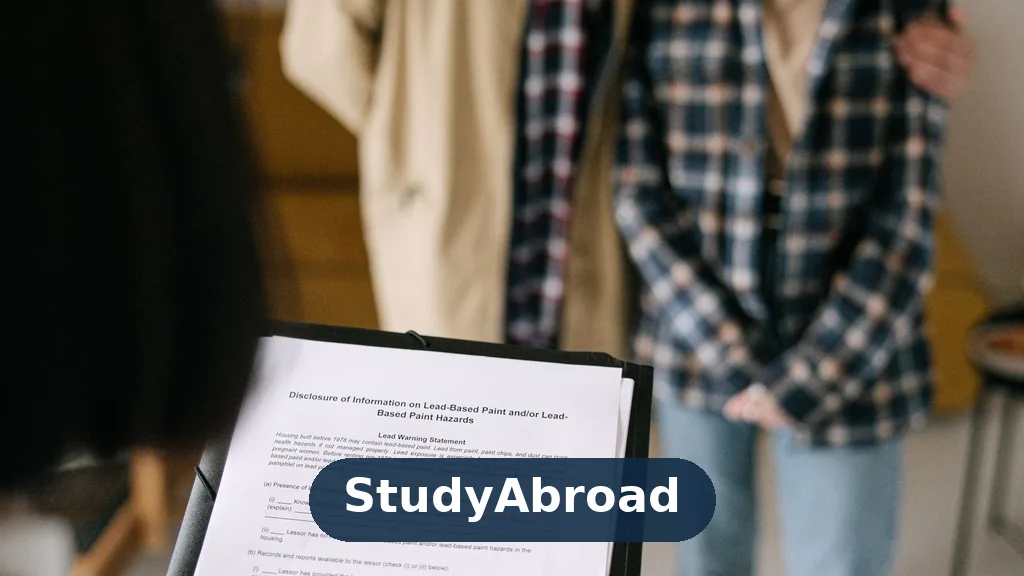
Finding housing from another country is one of the riskiest parts of studying abroad. You are choosing a home you may never have seen, dealing with landlords you have never met, and often paying money before you arrive. Scams target exactly this situation, because a student far from home is under pressure to secure a room quickly.
This guide explains how to find student housing safely, step by step. It covers the sources to trust, the warning signs of a scam, how to view a property, what to check in a contract, how to handle deposits and payments, and what to do if something goes wrong. Use it alongside our comparison of dorms, shared flats, and homestays once you know which type of housing you want.
Start With Trusted Housing Sources
The safest place to start is your university. Most universities list approved housing, run their own dorms, or partner with checked landlords and agencies, and the international office can tell you which sources they recommend. University housing offices also know the local market and can warn you about neighbourhoods or agencies with a poor record.
Beyond the university, use well known housing platforms that verify landlords and offer secure payment options, and prefer listings with photos, a clear address, and a named landlord or agency. Student forums and social media groups can be useful for reviews and warnings, but treat any listing there with extra care, because anyone can post. Avoid listings shared only through a private message with no public page behind them.
How to Spot a Housing Scam
Most housing scams follow the same pattern. The rent is far below the market rate for the area, the landlord claims to be abroad and cannot show the property, and you are asked to pay a deposit quickly by bank transfer, gift card, or a payment app before you have seen a contract. A genuine landlord expects questions, offers a viewing, and provides a written contract before asking for money.
Other warning signs include a landlord who refuses a video call, photos that look like stock images or appear on other listings, pressure to decide within hours, and a request to pay before you have a signed agreement. If the price seems too good to be true, it usually is. Search the address and the landlord name online, and check whether the same photos appear under a different listing.
Viewing a Property Before You Commit
See the property before you pay whenever you can. If you are already in the country, visit in person and check the room, the bathroom, the kitchen, the heating, the water pressure, and the locks on the doors and windows. Walk the route to campus and to the nearest shops, and visit the street in the evening if you can, because a quiet daytime street can feel different at night.
If you cannot visit in person, ask for a live video call, not a recorded video, and ask the person showing the flat to open cupboards, run a tap, and show you the view from the window. A genuine landlord will agree to this. Ask who else lives in the building, what the shared spaces are like, and whether the photos match the rooms you are being shown. Take screenshots and save the listing page before you pay anything.
During the viewing, check the things that photos hide. Run the taps to check water pressure, flush the toilet, check that the heating works, and look for damp patches on walls and ceilings, especially in older buildings. Open the windows to check they close properly, test the locks on the front door and your bedroom door, and ask about the internet speed and whether it is included in the rent. Note anything that is damaged and tell the landlord in writing before you move in, so you are not blamed for it later.
Ask practical questions about the building and the neighbourhood. Ask who is responsible for repairs, how quickly they are usually done, and whether there is a caretaker or a management company to contact. Ask about noise from neighbours or nearby roads, about bin collection days, and about the rules for guests and for using shared spaces. The answers tell you as much about the landlord as about the flat, because a landlord who answers clearly is usually a landlord who manages the property properly.
Reading a Tenancy Contract
Never pay for housing without a written contract, and read it fully before you sign. The contract should state the rent, the deposit, the length of the tenancy, the notice period, what is included in the rent, and who is responsible for repairs and bills. If the contract is in another language, get a translation or ask your university international office to help you read it.
Check the rules on ending the tenancy early, because some contracts lock you in for a full year with no early exit. Check whether the deposit is held in a protection scheme, which many countries require, and whether you need a guarantor, which is a person who promises to pay if you cannot. Ask for any promise the landlord makes in writing, and keep a copy of the signed contract in your email and on your phone.
Deposits Payments and Proof
A deposit is normal, but how you pay it matters. Pay by bank transfer to a named account, never in cash and never by gift card or an untraceable payment app, and keep the receipt and the contract as proof. The deposit is usually one or two months of rent, and it should be returned at the end of the tenancy if the property is in good condition.
Be careful with payments requested before you have a signed contract or before you have viewed the property. A genuine landlord will accept a holding deposit only after you have seen the contract, and will give you a written receipt. If you are asked to pay several months of rent in advance, ask why, and check with your university housing office whether that is normal in that country. Photograph the condition of the room when you move in, so you have proof if there is a dispute about the deposit later.
What to Do If Something Goes Wrong
If the property is not as described, or the landlord will not return your deposit, start by writing to the landlord with the facts and the photos you took, and keep a copy of every message. If that does not work, contact your university housing office or international office, because they often have a mediation service and know the local tenant rights. Student unions also run housing advice services in many countries.
If you believe you have been scammed, report it to the local police and to the platform where you found the listing, and tell your bank immediately if you paid by transfer. You may also be able to report it to a national consumer protection body. Keep every message, receipt, and screenshot, because they are the evidence that supports your case. Do not let embarrassment stop you from reporting it, because the same listing often targets other students.
Conclusion
Safe student housing abroad comes down to a few habits, start with university sources, view the property live, read the contract, and pay by traceable methods only after you have a signed agreement. A listing that is cheap, urgent, and unwilling to show the property is a warning, not a bargain.
Take your time, check each step, and ask your university housing office when anything feels unclear. If you have not yet chosen which type of housing suits you, read our comparison of student accommodation abroad first, and then work through this guide before you pay.
What is the safest way to find student housing abroad?
Start with your university housing office and their approved listings, then use well known platforms that verify landlords. Always view the property in person or on a live video call, read the contract, and pay by bank transfer only after you have a signed agreement. Avoid listings shared only through private messages.
How can I tell if a student housing listing is a scam?
Warning signs include rent far below the market rate, a landlord who cannot show the property, pressure to pay quickly, and a request for payment by gift card or an untraceable app. Genuine landlords offer a viewing, provide a written contract, and accept questions. Search the address and photos online to check whether they appear in other listings.
Should I pay a deposit before seeing the property?
No. Do not pay a deposit before you have viewed the property, in person or on a live video call, and read the contract. A genuine landlord will accept a holding deposit only after you have seen the contract, and will give you a written receipt. Pay by bank transfer so you have proof of payment.
What should I do if my landlord will not return my deposit?
Write to the landlord with the facts and the photos you took when you moved in, and keep copies of every message. Then contact your university housing office or student union advice service, because they often mediate and know local tenant rights. If the deposit was held in a protection scheme, contact the scheme directly.